Success Stories
From Transitions to Transformations: A Heartspring Therapeutic School Student Success Story
“Heartspring didn’t just change Grant’s life—it changed ours.”
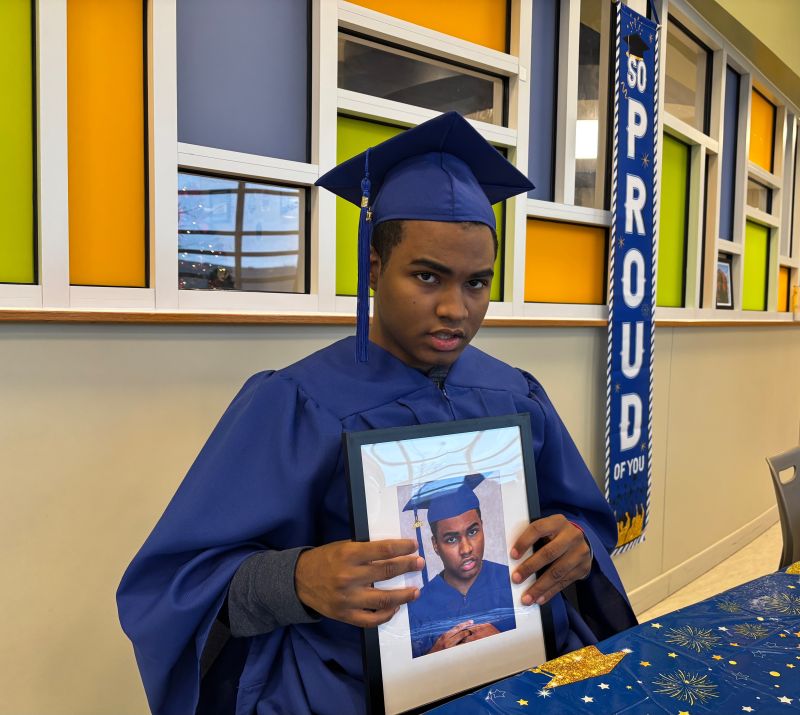
For Grant’s family, finding a school where he could feel accepted and represented was just as important as finding the right therapeutic services.
When Grant came to Heartspring at 15 years old, his parents had a lot of anxiety leaving him in a residential placement so far away from their home state of California. It’s amazing that a few bites of pasta were the first steps in changing everything for their family.
“You are lifesavers in ways that I can’t list. He’s a different kid than he was six years ago,” his mother, Elna, said. “He can do things he couldn’t do, and it changes things for our family. It changes things for his brother. It changes things for everybody.”
Finding a Spirit of Acceptance
Grant’s family wanted to find care that accepted every aspect of Grant’s personality and identity, along with providing exemplary service. So, while they were impressed with Heartspring’s curriculum, resources, and robust student enrichment program, they also focused on finding a school with a diverse staff and student population.
Having a son of color as a student of color, it was really important for me, especially not being able to be physically there, to have him in an environment where I felt more certain that he could be accepted fully.
– Elna, Grant’s Mom
You can imagine that it’s an incredibly emotional experience leaving a nonverbal child halfway across the country, with limited means to know how they’re doing when you’re so far away. So, Elna was looking for every element that would allow her to feel that sense of security, even when Grant couldn’t convey it.
“Without having a lot of familiarity with Kansas, I didn’t know if Kansas was a diverse place,” Elna said. “The first time I visited Heartspring, it was such a comforting relief to see what representation looked like at the school.”
Trying and Trusting New Experiences
When he first arrived on campus, Grant had a very limited diet due to his sensory sensitivities around food, and he was actually underweight. Food aversions and resistances are quite common for many of the children at Heartspring, so staff sent his family frequent reports about his eating habits, weight, and progress.
As he started to acclimate to Heartspring, Grant’s progress started to take shape almost immediately, and a phone call with his staff helped Elna believe that he was going to be okay and that they’d made the right decision in his residential placement.
You see, his staff shared how he was adjusting and finding new things that made him happy, including the pasta passed around the dinner table!
“He’d never touched pasta in his life. Never,” said Elna. “I haven’t been able to help him try pasta in 15 years, but he was brave enough to try it, fell in love with it, and all of a sudden started gaining weight again.”
She couldn’t believe it happened in two weeks and was proud of this achievement, saying it was a pivotal moment where she could breathe and trust that they’d made the right decision in his care.
It truly takes a village to raise a child, and at Heartspring, our multidisciplinary teams address every facet of a child’s needs to support their overall growth and development. This approach ensures every expert has a seat at the table, and that progress in one area supports progress in another, which is essential for our clinicians to understand how different factors affect how kids respond and communicate.
Grant found friendly faces and could thrive with consistency across every environment. The other constant factor? His first behavior team staff member, even when she wasn’t assigned to his student team anymore.
“Shelby was his special person,” Elna said of Grant’s favorite staff. “She is somebody who was able to get him to try things and get him to do things that other staff often couldn’t. And I just think that his sense of safety and security, the continuity of having her there through those whole six years, just made a huge difference for him.”
Transitioning Back Home & Life After Heartspring
As students near the end of our program, we begin comprehensive transition planning a few years before their anticipated graduation. We focus on developing essential life and vocational skills while coordinating with families and home state agencies to secure appropriate adult placements. From skills assessment and targeted instruction to case management and transitional off-campus housing, we work to ensure students are prepared and providers are equipped to support their continued success.
Elna said she was initially reluctant to move Grant to one of our off-campus homes because she was afraid he wasn’t ready. But with a leap of faith, Grant moved into his new group home, and staff helped make sure it felt like home right away.
“He adapted so quickly in that environment to the point I couldn’t have imagined him, and the transition just went incredibly well,” Elna said.
She largely credits this transitional placement as what best prepared him for his adult placement in California.
According to multiple research studies, many students with neurodevelopmental disorders leave school unprepared for further education, employment, and independent living in the community. Our goal is to best prepare students and families for what comes after Heartspring.
He came back to California as a different, more mature, more independent person. You see it in his self-confidence.
– Elna, Grant’s Mom
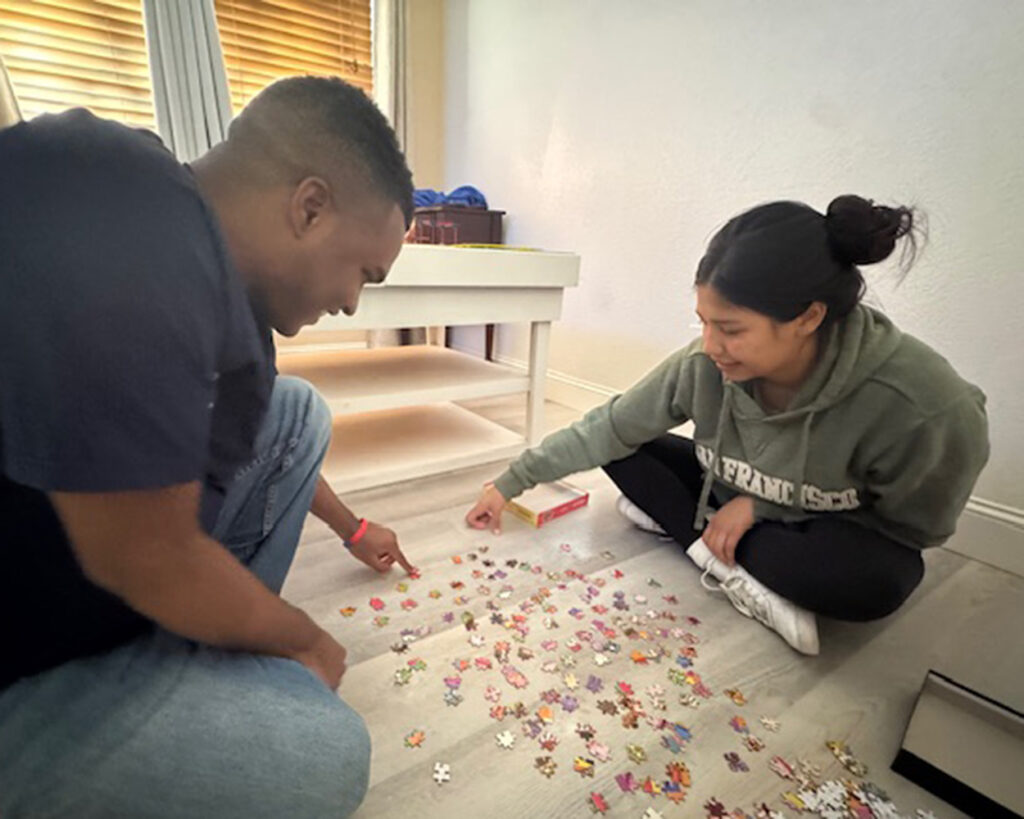
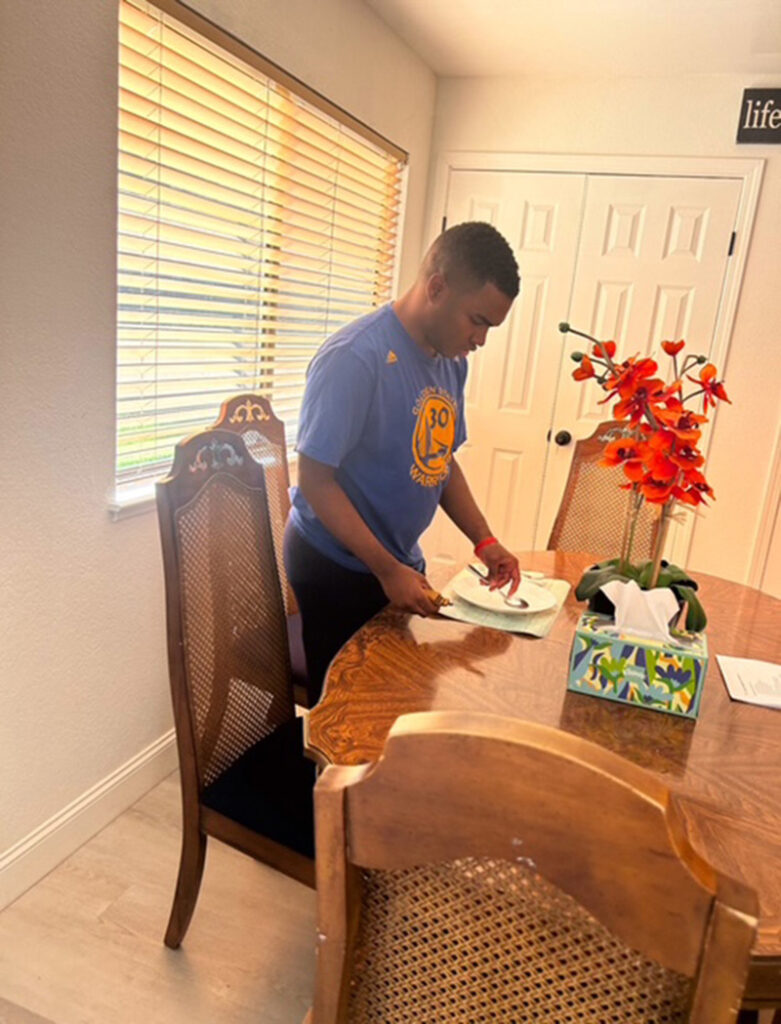
Grant’s independence even surprised his new home staff, because Grant is able to manage a lot of his chores, tasks, and responsibilities in his new home. He’s much more independent in his daily-living skills because of the work he accomplished at Heartspring.
Elna appreciated that the Heartspring Admissions team started discussing Grant’s transition very early, and having a thought partner to help her plan her son’s next step made collaborating with his case manager in California easier, too.
“We certainly didn’t have many answers as far as what the plan was going to be, but I had a team of people that were ready to support it,” Elna said.
Grant now lives about an hour outside of San Francisco, close to his Dad, with his mom a few hours away.
“He’s an outdoor guy who likes to take walks and likes to be outside and engage in that way,” Elna said. “His new home’s great about getting out into the community, and they have a pretty regular hiking schedule.”
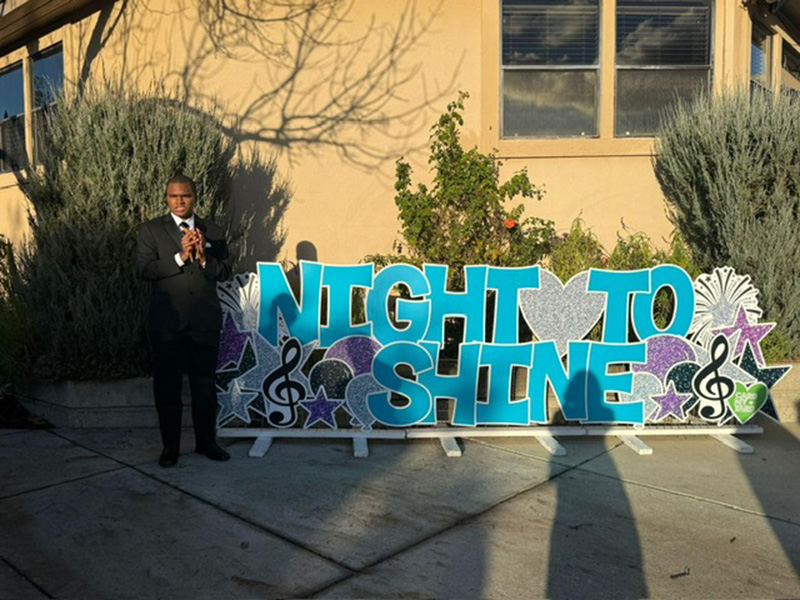
Grant’s also gotten to see an opera performance, attend a Golden State Warriors game, pick berries at an orchard, and even attend prom! His progress has truly opened a world of possibilities for himself and his family.
“It’s so nice to have him back. I think more importantly, it’s great to have him back with the new independence and safety behaviors that he has,” Elna said. “Prior to Heartspring, our community life was so limited because he was so limited. And it meant really not being able to do a lot of things we wanted to as a family.”
Elna’s Advice for Other Parents
According to Elna, parents need to trust their “sixth sense” feeling that their child is going to be safe, successful, and cared for in their new placement. During her fact-finding mission to find the best adult placement for Grant, she visited 14 different options before finding the right fit.
“Start early. Look everywhere. Consider everything,” Elna said. “As much work as it was, it was worth it. And I would do it again to be able to find what I found.”
She built a web of connections to learn more about adult group homes throughout California, spoke with her son’s district case manager, and dug through countless websites for more than a year.
Her persistence paid off, finding the right placement for Grant so he can continue to grow in his independence and thrive beyond Heartspring.
Elna said that Grant’s not the only one who misses Heartspring, and that saying goodbye is hard, but we’re so happy to see him thriving in his new home. His progress shows what’s possible when families and teams work together to ease transitions and find the right placements. At Heartspring, we’re proud to help students build the skills they need for life after our program, and we’re committed to supporting more families on their journeys.
Learn More About Our Therapeutic Residential & Day School
Grant's Recent Adventures
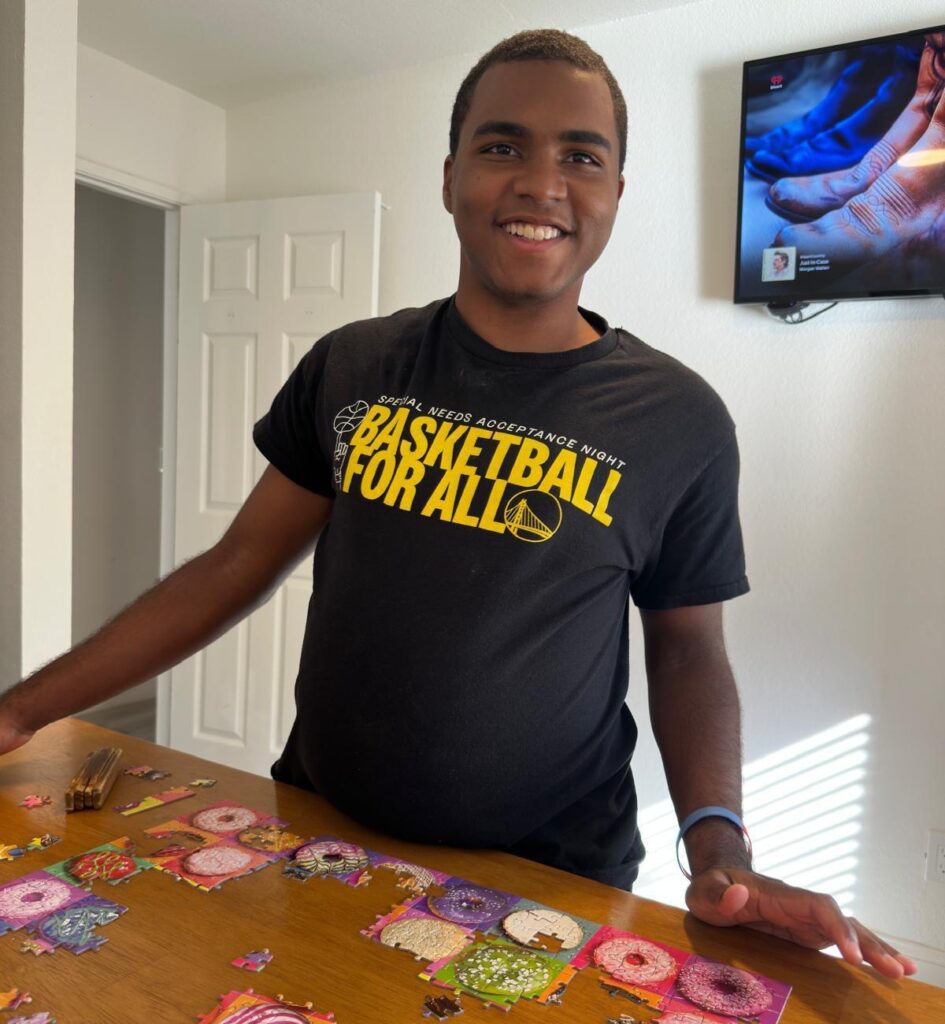
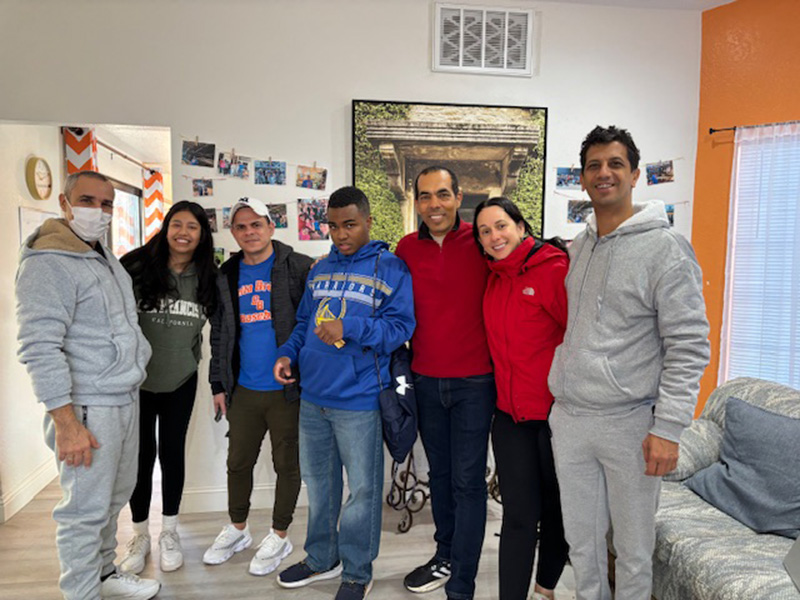
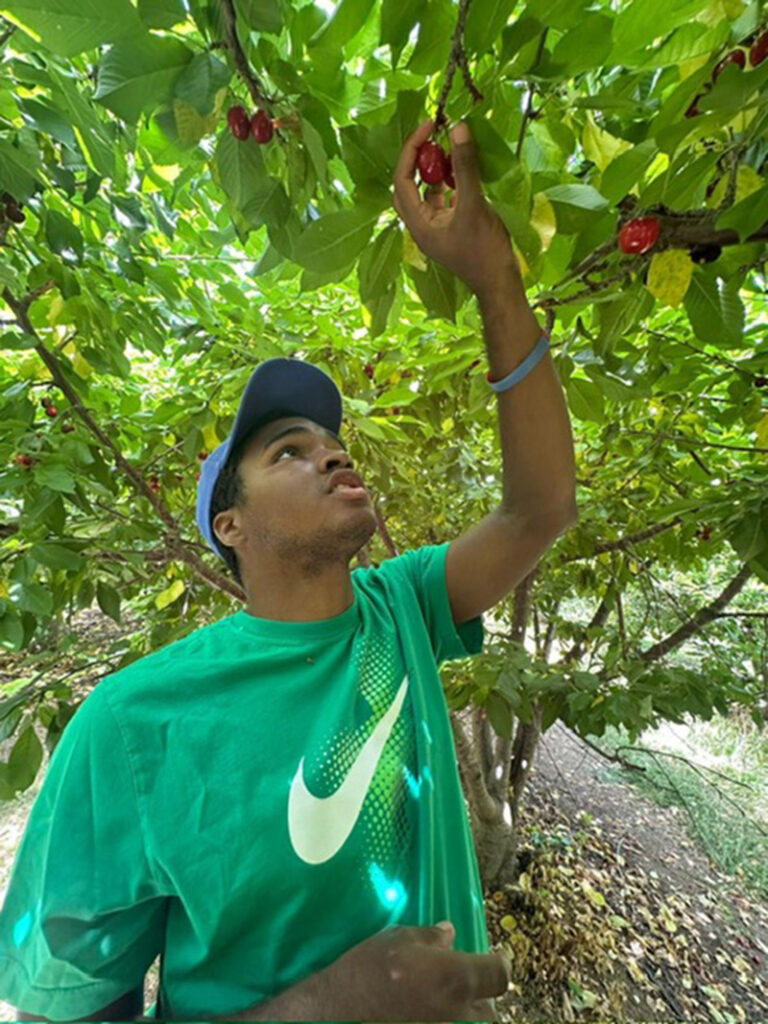


Published: Jan. 21, 2026
Share this