Success Stories
Building Independence, One Design at a Time
How a Wichita State University engineering course and a Heartspring partnership helped a teenager take ownership of his space.
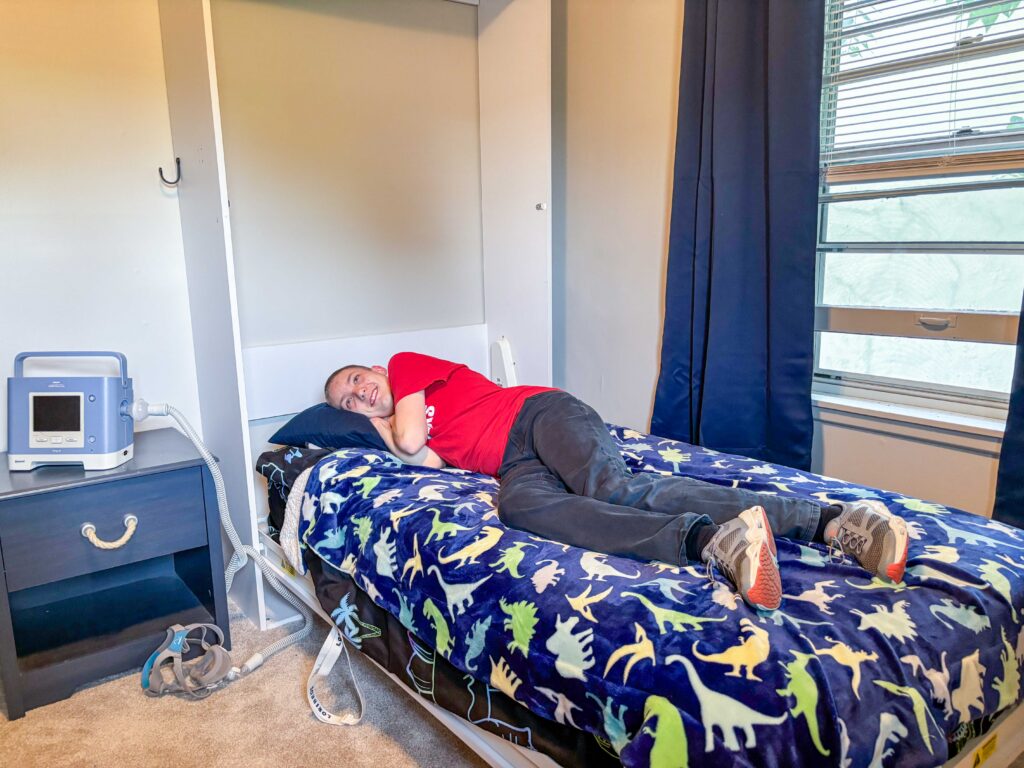
Like many teenagers, Brandon got to a point where his childhood bedroom no longer fit his needs as he outgrew the space.
The goal was simple: design the space to give him more room to move and help Brandon build more independence skills.
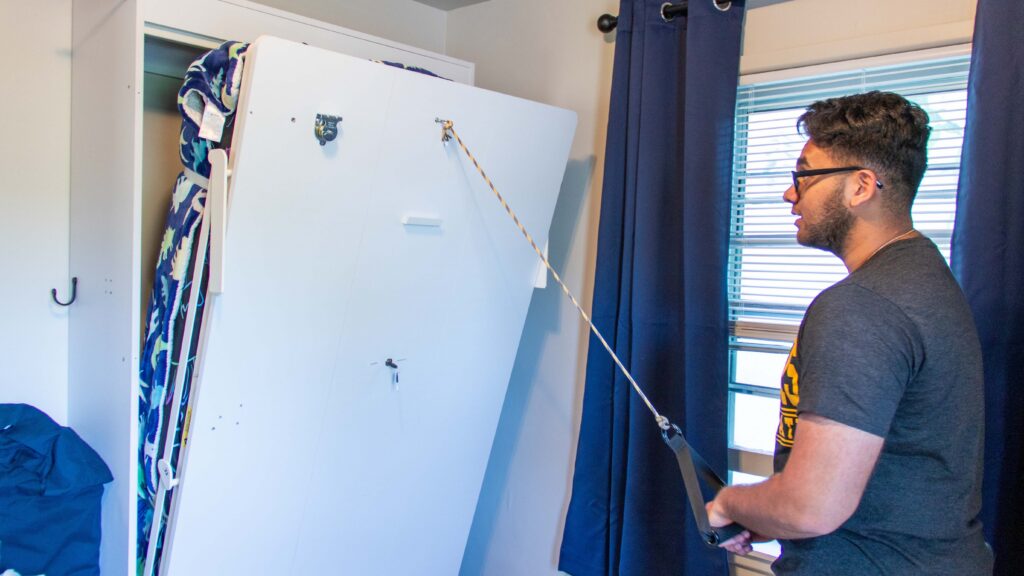
His occupational therapist, Emily Anderson, had been working alongside Brandon and his grandmother, Terri, exploring options to better use his bedroom. Something like a Murphy bed felt promising, but nothing off the shelf fit his needs or gave him the control he was ready for.
“When Terri and Brandon first shared this idea with me, I knew this was never just a room renovation,” said Emily Anderson. “It was a young man claiming ownership of his space, his choices, and his growing independence.”
At Heartspring, our clinicians work together across their areas of expertise because multidisciplinary care better addresses all aspects of a child’s needs. In Brandon’s case, the partnership with the Wichita State University physical therapists helped connect him to a group of student engineers ready to custom-make a solution.
The Accessible Design course at Wichita State University is a multidisciplinary course in which students learn to design assistive technologies for real people. The course is hosted by the WSU College of Engineering, and Brandon’s project was sponsored by a grant from the McIlwaine Foundation.
Each semester, “students meet their customers and build empathy as they learn their challenges, students apply their technical skills to design and prototype a solution with the client’s feedback, and then hand-deliver a custom product to improve their client’s quality of life.” (Assistive Technology Education at WSU)
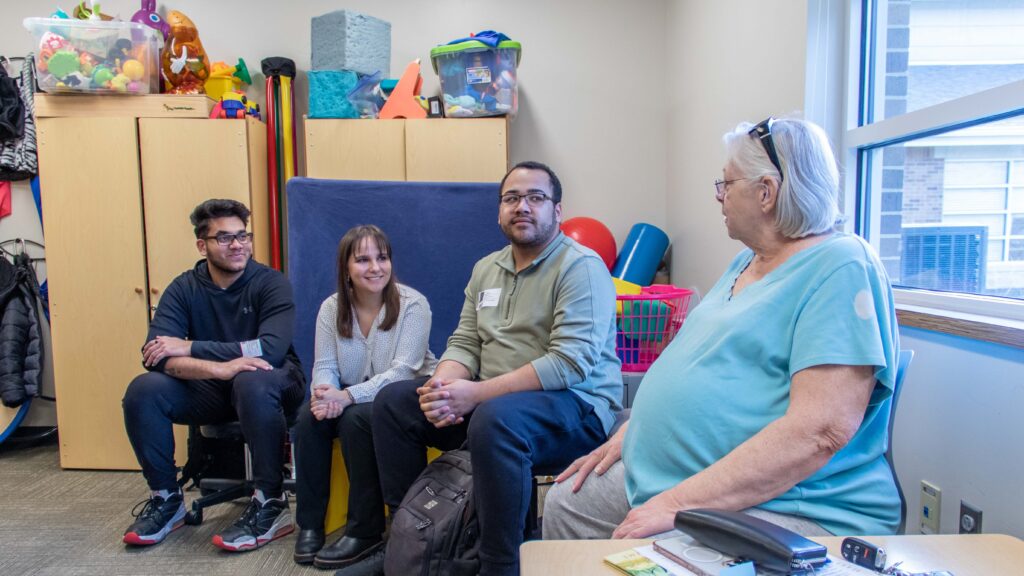
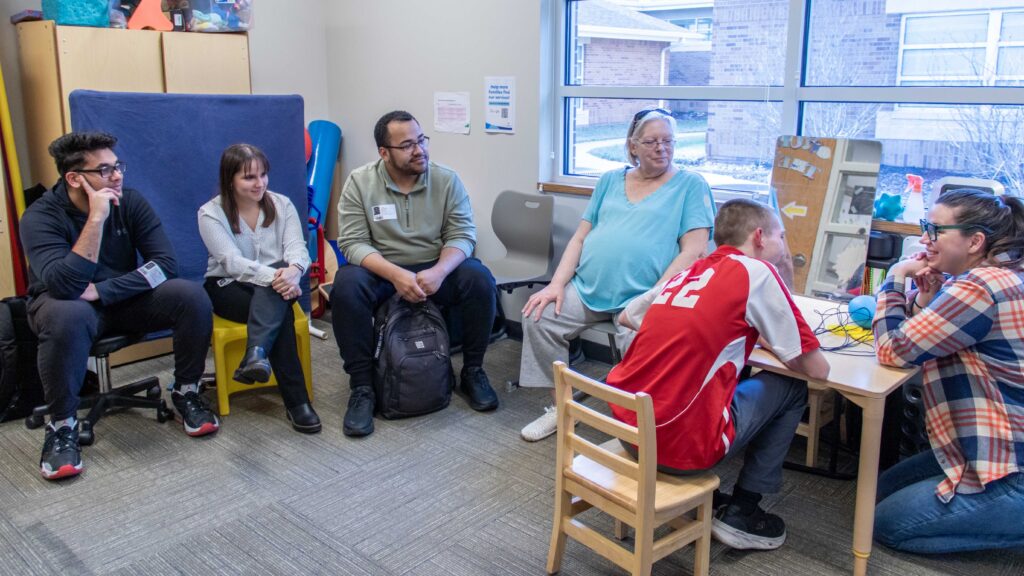
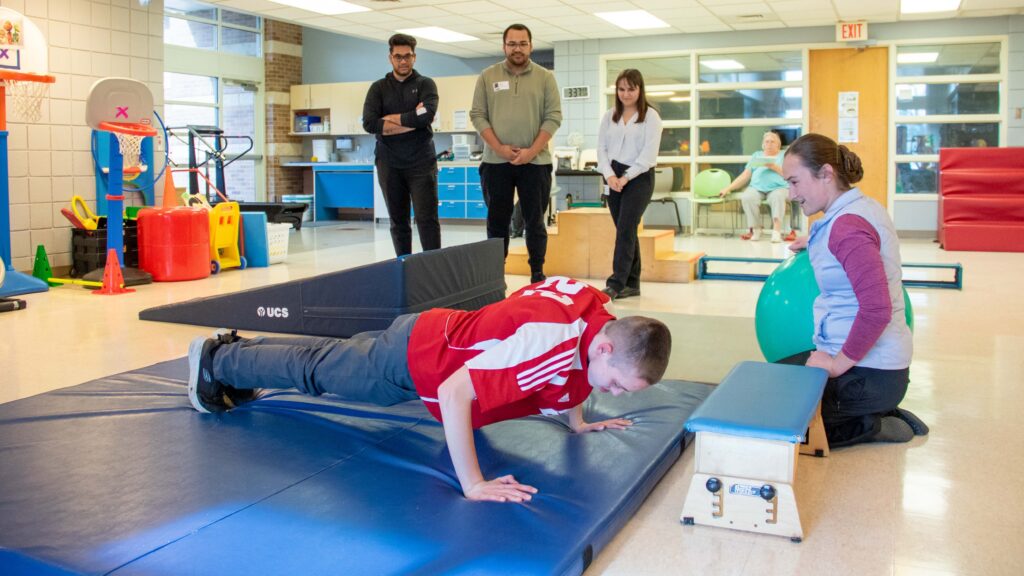
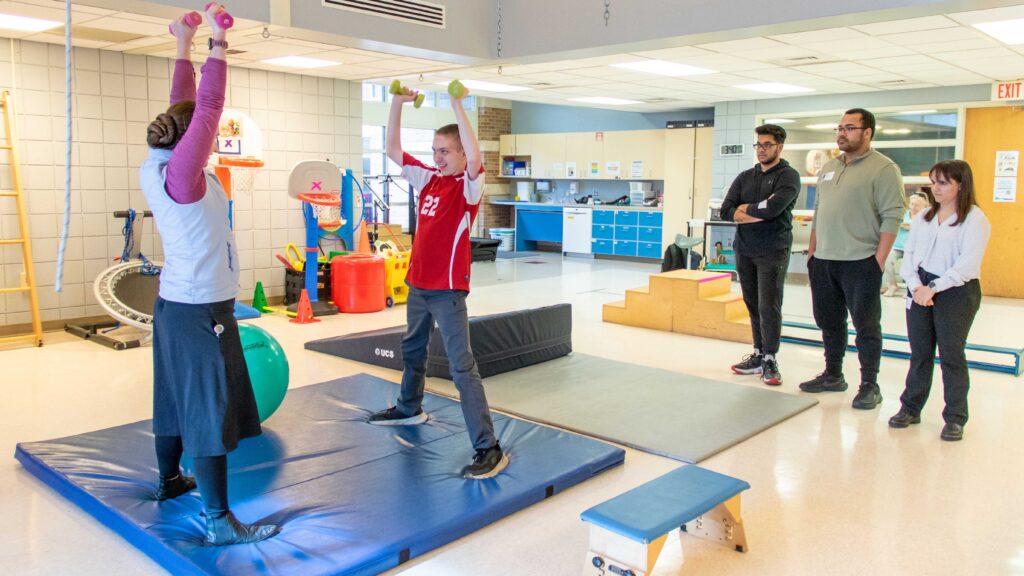
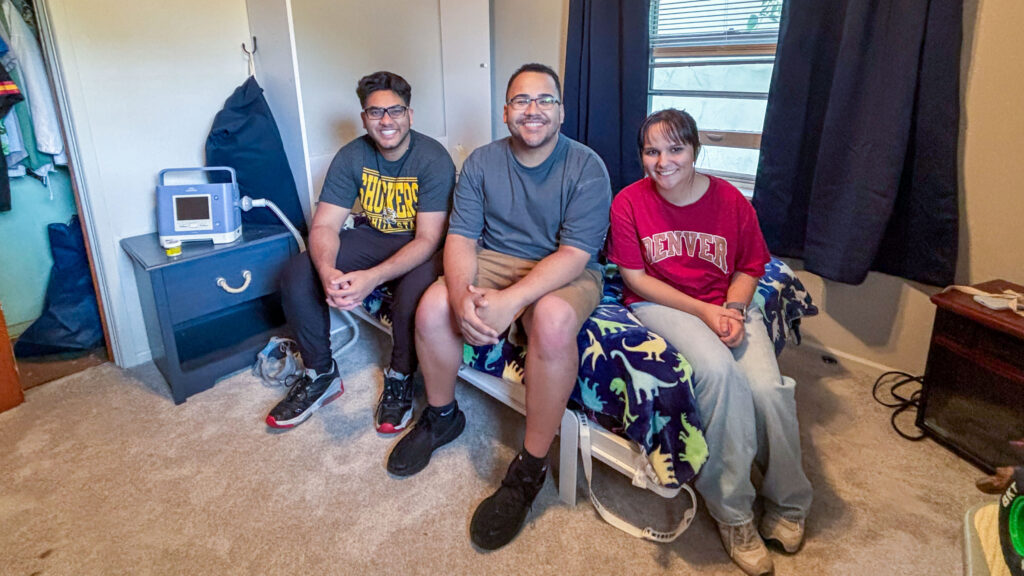
A team of three WSU engineering students met Brandon and Terri at the beginning of the semester to understand how he moved through his space, what mattered to him, and what independence could look like in his daily routine.
The accessible design course gives the engineering students a real-world learning opportunity that can’t be replicated without a client to design for.
– Leah Fisher, Wichita State University Physical Therapist
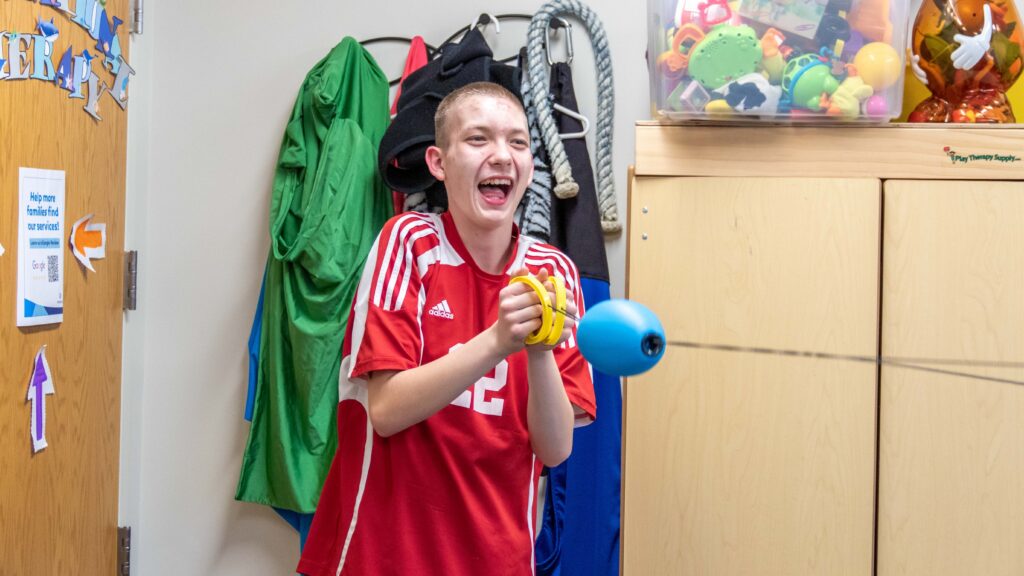
Over the course of the semester, the project evolved through brainstorming, prototyping, and problem-solving, always grounded in Brandon’s goals. The process was just as important as the final product to ensure the solution would actually work.
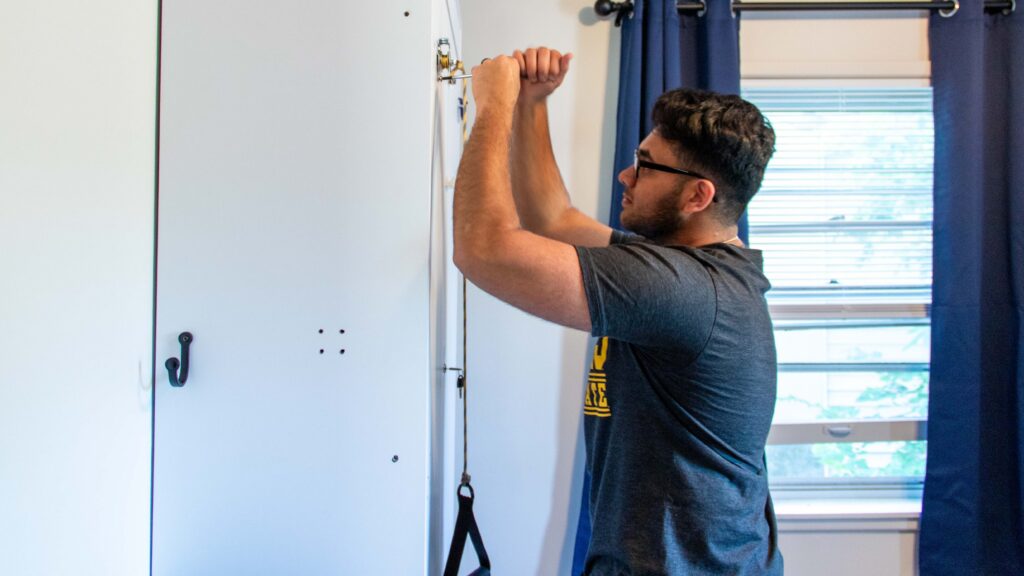
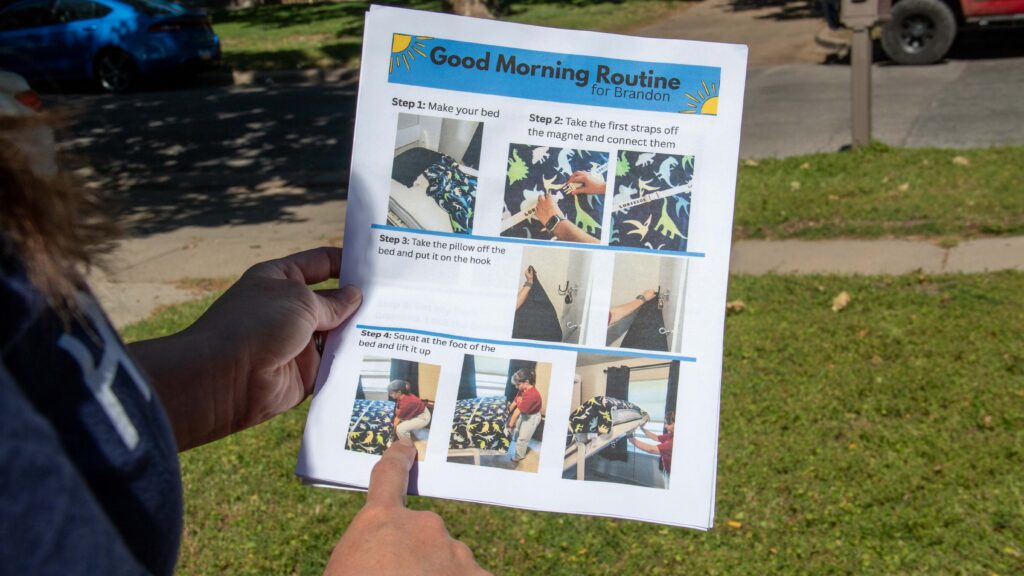
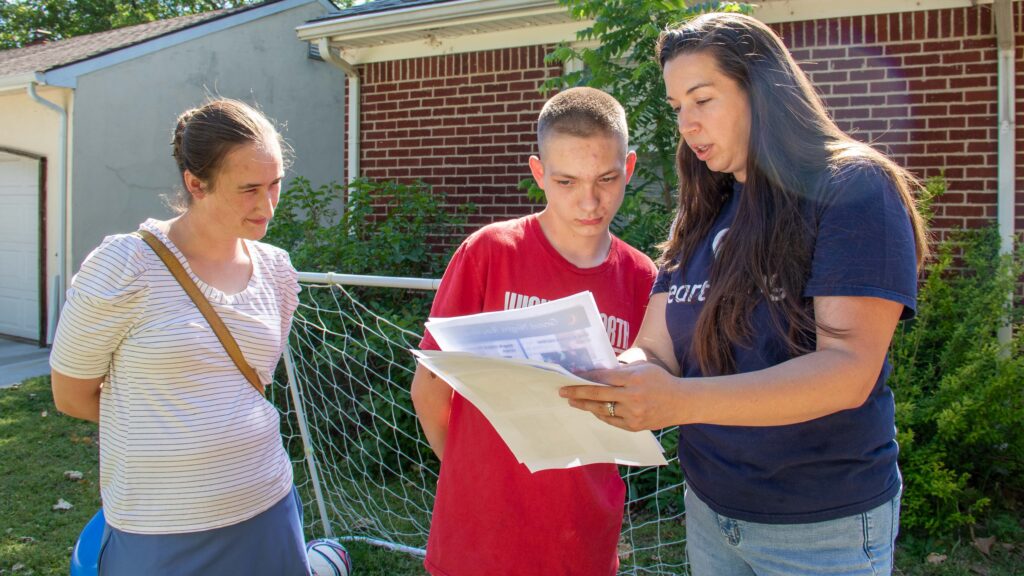
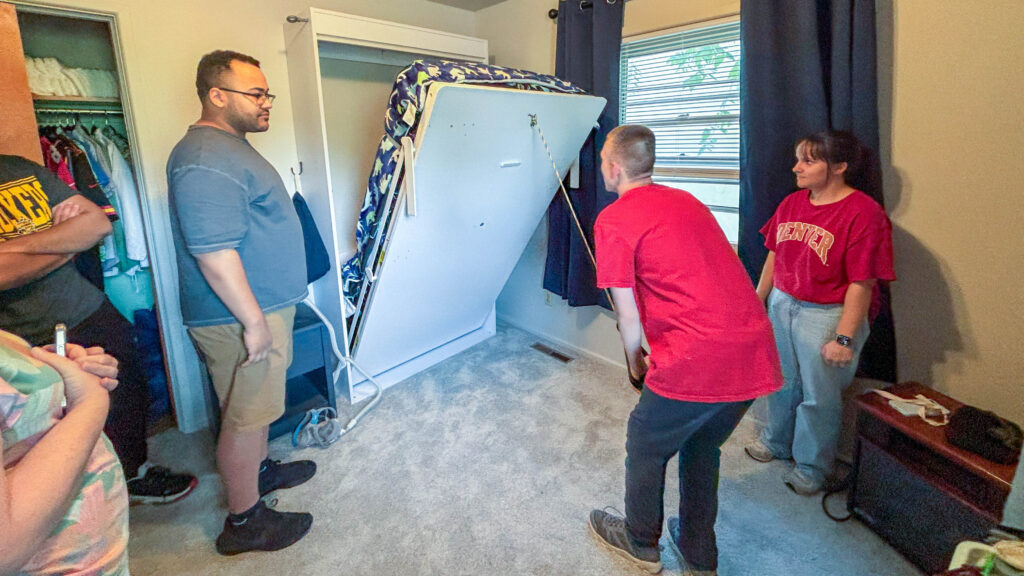
On delivery day, the students didn’t simply install the bed and leave. They worked alongside Brandon, Terri, Emily, and physical therapist Leah Fisher to refine the final details in real time. When they recognized an opportunity to make the bed even more accessible, they pivoted to create a visual, step-by-step guide Brandon could use independently.
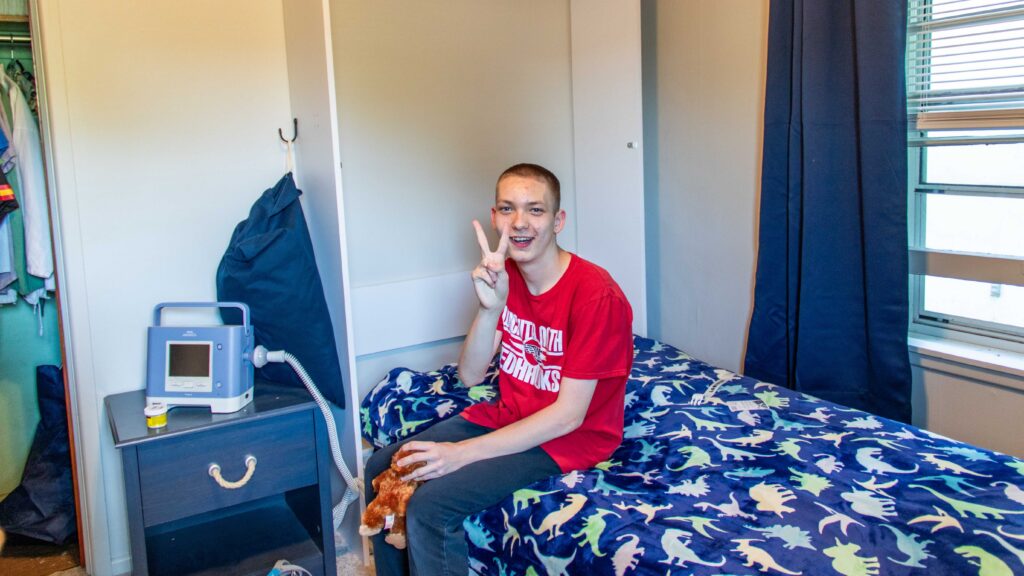
The bed immediately changed how Brandon uses his room, and with a design tailored to his abilities, he can now raise and lower the bed on his own, use a locking mechanism independently, and take responsibility for managing his space.
Because of this collaborative project, Brandon radiates pride, and has a reenergized sense of curiosity.
– Emily Anderson, Occupational Therapist
For WSU students, the experience provided something the classroom alone cannot replicate by designing for a real person, with real constraints, and real feedback.
For Brandon and his care team, the custom solution outcome was equally meaningful since it helps extend the impact of therapy beyond in-person sessions. What was once a daily limitation is now a daily opportunity, giving Brandon more independence in a space he uses every day.
But for Heartspring, the collaboration reflects something bigger. Partnerships can expand what’s possible for clients, while helping shape the next generation of professionals who will design for accessibility from the start.
At the intersection of healthcare and education, we’re grateful for our partners at Wichita State University for creating opportunities for their students to thrive alongside the individuals they help in the community.
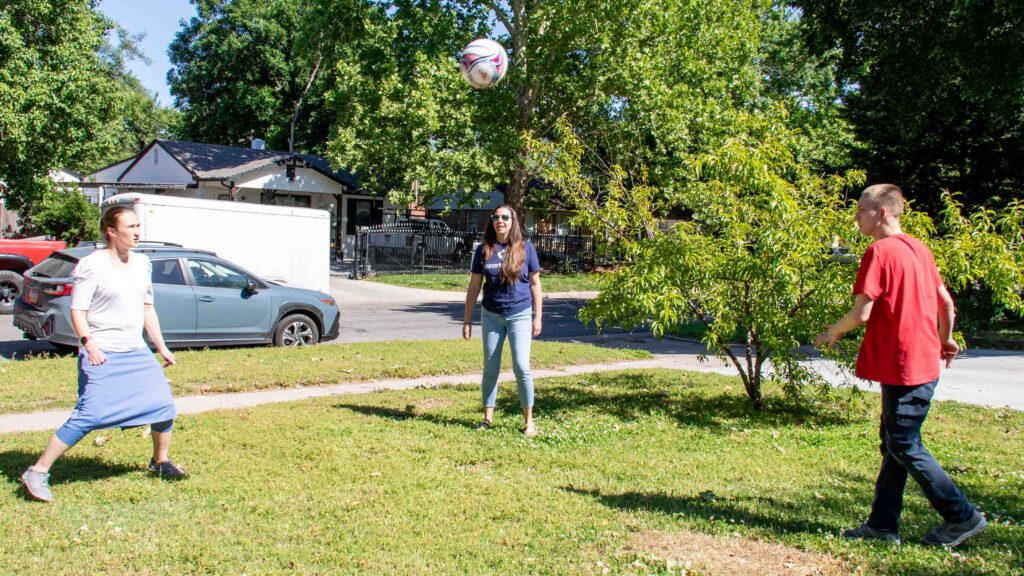
Check Out the Behind-the-Scenes Project Photos
Published: Jun. 24, 2026
Share this